If you've grown up in an Indian household, you've probably seen besan show up at the most unlikely places — your grandmother's haldi ceremony jar, a pre-wedding ubtan ritual, a bowl of paste sitting on your aunt's kitchen counter while she scrolled her phone. There's a reason this pale-yellow flour has hung around for centuries despite the constant churn of new "miracle" ingredients. It works. Not as a magic wand, but as a genuinely useful, low-cost daily skin staple — when you understand what it can and cannot do.
At VK Allure Dermaclinic, we get this question a lot in consultations across our Kilpauk and ECR Uthandi clinics: "Doctor, does besan really help, or is it just an old-wives' thing?" The honest answer sits somewhere in the middle. Besan does several things very well — gentle exfoliation, oil control, surface brightening — and several things it cannot do at all. This guide separates the two, gives you six tested DIY recipes you can make tonight, and tells you the point at which DIY stops being enough.
Quick Answer — In One Paragraph
Gram flour (besan) is a finely ground chickpea flour that gently exfoliates dead skin, absorbs excess oil, fades tan and dullness, and supports a calmer skin barrier. It works because of its mild abrasive texture, mineral content (zinc, iron, magnesium), and oil-binding properties. It does not bleach skin, remove deep scars, treat hormonal acne or permanently reduce body hair — those need dermatological care.
What you'll learn in this article
- Why besan has been a skincare staple for centuries
- The science: what's actually in gram flour
- 15 proven benefits of besan for skin
- 6 DIY besan face packs for every skin type
- Safety, patch testing & what to avoid
- Where besan stops working — and what helps next
- How VK Allure approaches skin concerns clinically
- FAQs
Why besan has stayed in Indian skincare for centuries
Long before glycolic acid and niacinamide became Instagram vocabulary, Indian households were already using besan in pre-bath rituals called ubtan. The reason it survived isn't sentiment — it's that the routine genuinely worked for the climate. Hot, humid weather. Oily T-zones. Heavy sun. Tan that built up between weddings. Besan, mixed with curd or milk, addressed most of those concerns in one bowl. The fact that it cost less than a kilo of vegetables didn't hurt.
Modern dermatology hasn't replaced these ingredients; it has explained them. We now understand that besan acts through three mechanisms that map almost perfectly onto what your grandmother told you it would do: gentle mechanical exfoliation, oil absorption, and a mild anti-inflammatory effect from the chickpea's micronutrient profile. None of that makes besan a substitute for clinical treatment when a real condition is involved — but for everyday upkeep, it earns its place.
The science: what's actually in gram flour
Chickpea flour contains protein, dietary fibre, and several trace minerals that affect skin in small but real ways:
- Zinc — supports skin repair and helps regulate sebum production. Useful for oily, acne-prone skin.
- Iron and magnesium — small contributions to skin tone and barrier function.
- Saponins — naturally occurring compounds that have a mild cleansing, soap-like quality. This is the closest thing besan has to a "wash" mechanism.
- Protein and fibre — give the paste a thick, grippy texture that lifts impurities mechanically.
- Phytochemicals — modest antioxidant activity, useful for daily skin upkeep but nowhere near the strength of clinical antioxidants like vitamin C serums.
What the flour does not contain is anything that bleaches melanin, anything that penetrates the deeper dermis, or anything strong enough to treat established acne. This is where most besan myths fall apart, and where a sober understanding of the ingredient actually makes it more useful, not less. Use it for what it's good at and you'll get reliable results. Use it as a substitute for a dermatology visit and you'll just delay treatment.
15 proven benefits of gram flour for skin
These are the benefits we see consistently in clinical observation and that are supported by the ingredient's known properties. Honest expectations matter — each benefit below comes with a sense of how much change to expect, not just that something will happen.
Deep, gentle cleansing
Besan's mildly abrasive texture combined with its natural saponins lifts surface oil, sweat, sunscreen residue and pollution particles without stripping the skin barrier the way harsh foaming washes do. Patients with combination skin who switch their evening cleanse to a besan-milk paste twice a week often report skin feeling "cleaner but not tight" — that's the ideal cleansing endpoint.
Natural exfoliation of dead cells
The fine grain physically dislodges the build-up of dead keratinocytes that makes skin look dull, especially after a Chennai summer. Unlike chemical exfoliants which require careful pairing with sunscreen, besan's mechanical action is forgiving. Use it 2–3 times a week — daily exfoliation, even gentle, compromises the barrier.
Controls excess oil and shine
This is where besan genuinely outperforms most expensive cleansers. The protein-fibre structure binds sebum on contact. For oily and combination skin types, a besan-and-curd application 15 minutes before a shower noticeably reduces midday T-zone shine. It won't shrink your pores — nothing topical permanently does — but it makes the surface visibly matte.
Brightens dull, tan-laden skin
By removing the layer of pigmented dead cells sitting on the surface, besan reveals fresher cells underneath. This is what people mean when they say a besan pack made their skin "glow". It's not a bleaching effect — it's a renewal effect. The brightness is real, but expect it to be gradual: 4–6 weeks of consistent use shows the most noticeable change.
Helps fade superficial pigmentation
For early sun spots, post-inflammatory marks from healed pimples, and patchy tanning, besan can help fade the pigmentation that sits at the upper skin layers. Deeper pigmentation — melasma, post-inflammatory hyperpigmentation from cystic acne, or stubborn dark patches around the mouth — won't shift with besan alone. Those benefit from clinical options like melasma and dark spot reduction protocols.
Reduces sun tan visibly
One of besan's most reliable benefits. Tan removal works in two ways here — the mechanical exfoliation removes pigmented surface cells, and the cooling effect of curd or milk in the paste calms the inflammation that drives further darkening. For a beach holiday or a long outdoor wedding season, alternating besan packs with daily SPF 30+ sunscreen is the cheapest tan-control routine that actually works.
Supports acne-prone skin (mild cases only)
By absorbing excess oil and gently sloughing dead cells that would otherwise plug pores, besan supports clearer skin in those with mild, occasional breakouts. Important caveat: if you have moderate to severe acne, cystic acne, or hormonal acne along the jawline, besan won't fix the underlying problem. That needs clinical care. Continuing to scrub an inflamed face actively delays healing.
Reduces blackheads and whiteheads
Regular besan exfoliation prevents the build-up of dead cells and sebum inside pore openings, which is what blackheads and whiteheads physically are. Don't expect a single pack to clear them — they took weeks to form, and they soften gradually over a similar timeframe of consistent twice-weekly use. For stubborn cases, an in-clinic Hydrafacial extracts them safely without scarring.
Mechanically reduces fine vellus hair on the face
The traditional ubtan ritual used besan partly because the rubbing motion in a downward direction physically loosens the fine, soft hair on the face over time. This is mechanical and gradual, and it does not destroy hair follicles. For visible facial hair, sideburns, upper-lip hair or chin hair, the only treatment that delivers long-term reduction is laser hair reduction. Besan is a slow assist, not a solution.
Lightens dark patches on knees, elbows and underarms
The skin on these areas thickens with friction and accumulates pigmented dead cells. A weekly besan-curd-turmeric scrub in these zones makes the skin progressively smoother and brighter over 6–8 weeks. For very dark underarms that don't budge with home care, in-clinic options like laser toning or targeted chemical peels work faster.
Soothes mild redness and surface irritation
When combined with cooling agents like curd, milk or aloe vera, besan packs can settle minor irritation from heat rash, mild sun exposure or post-waxing redness. The zinc content contributes to a mild anti-inflammatory effect. This is comfort care, not treatment — true rosacea, contact dermatitis or persistent redness needs a dermatologist.
Improves overall skin texture
Consistent, sensible use of besan — twice a week, with the right pairing for your skin type — leads to a noticeably smoother, more refined surface. The improvement comes from steady cell turnover support rather than any single dramatic effect. Patients who describe their skin as feeling "rough" or "uneven" after years of sun exposure benefit most from this slow recalibration.
Removes makeup gently
For days when you've worn light makeup, a besan-milk paste used as a pre-cleanse loosens foundation and concealer without the squeaky-clean stripping feel of foaming cleansers. Not the right call for heavy or waterproof makeup — that still needs an oil cleanser first.
Supports a healthier skin barrier when used correctly
The key phrase is when used correctly. Over-exfoliating with besan (daily, hot water, harsh additives) damages the barrier and triggers inflammation. Used 2–3 times a week with cooling, hydrating bases like curd, milk or honey, it supports — rather than disrupts — barrier function. The post-besan moisturiser step is non-negotiable.
An accessible, affordable everyday skin staple
Not every benefit needs to be biochemical. Skincare consistency depends on what's convenient enough to stick with. Besan sits in nearly every Indian kitchen, costs almost nothing, and pairs with whatever else is on hand — curd, milk, honey, turmeric, rose water. For patients between professional treatments, a reliable home routine matters as much as the clinical work itself. Besan is one of the few traditional ingredients that earns the recommendation outright.
Not sure if your skin concern needs a face pack or clinical care?
Book a free 15-minute consultation at VK Allure Dermaclinic — Kilpauk or ECR Uthandi.
6 DIY besan face packs for every skin type
Below are the six combinations we suggest most often in clinic when patients ask for a home-care add-on. Each is paired with a specific skin type and a clear set of instructions. Apply on clean skin, leave for 15–20 minutes (not until it dries hard and cracks), rinse with lukewarm water, pat dry, and follow with moisturiser and sunscreen if it's a daytime application.
Besan, curd & turmeric — for oily, acne-prone skin
- 2 tbsp gram flour (besan)
- 1 tbsp fresh curd (yoghurt)
- A small pinch of turmeric (kasturi turmeric if possible — doesn't stain)
How to use: Mix into a smooth paste. Apply evenly. Leave for 15 minutes. Wash off with lukewarm water in gentle circular motions. Use 2–3 times a week.
Oily / Acne-proneBesan, honey & milk — for dry, tight, dehydrated skin
- 2 tbsp gram flour
- 1 tsp raw honey
- 2 tbsp full-fat milk
How to use: Stir into a thick paste. Apply in a thicker layer than you would for oily skin. Leave for 12–15 minutes — don't let it dry hard. Rinse gently. Follow immediately with a richer moisturiser. Twice a week.
Dry / Mature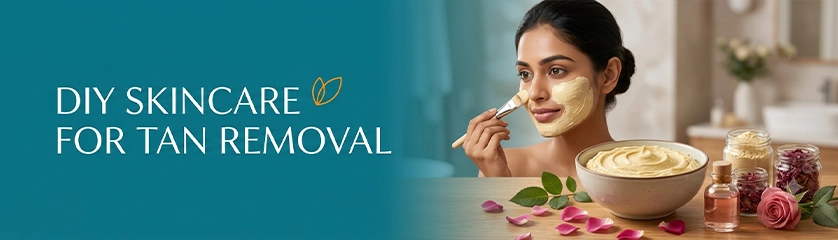
Besan, rose water & sandalwood — for sensitive, redness-prone skin
- 2 tbsp gram flour
- 1 tsp pure sandalwood powder
- Enough rose water to form a paste
How to use: Mix gently. Apply with light pressure. Leave 10 minutes only. Rinse with cool water. Once a week is enough for sensitive skin — over-use is the most common mistake here.
SensitiveBesan, tomato pulp & rose water — for tan removal
- 2 tbsp gram flour
- 1 tbsp fresh tomato pulp (not juice, pulp)
- A few drops of rose water
How to use: Best for arms, neck, and tanned décolletage rather than the face for sensitive skin. The mild acidity of tomato boosts the brightening effect. Patch test first. Twice a week through summer months.
Tan RemovalBesan, aloe vera & cucumber — for inflamed, post-sun skin
- 1 tbsp gram flour
- 1 tbsp fresh aloe vera gel
- 1 tbsp grated cucumber
How to use: A cooling, lighter formula meant for skin that's irritated, sun-exposed or feels hot after a long outdoor day. Leave 10–12 minutes. Rinse with cool water. Skip if skin is actively peeling or broken.
After Sun / SoothingBesan, oats & banana — for dull, mature skin
- 1 tbsp gram flour
- 1 tbsp finely ground oats
- ½ ripe banana, mashed
How to use: A nourishing, low-friction option for thinner, more mature skin. Banana adds potassium and natural humectants; oats calm. Leave 15 minutes. Once or twice a week. Skip if you have nut allergies and the oats aren't certified.
Mature / DullSafety, patch testing & what to avoid
Most people use besan packs without any issue. The rare problems we see in clinic almost always come from one of four mistakes:
- Letting the pack dry hard and crack. The pulling effect on the skin actually damages the barrier rather than tightening pores. Rinse off while the pack is still slightly damp.
- Adding lemon juice for "extra brightening". Lemon is highly acidic and photosensitising. We don't recommend it for the face. Use rose water, curd or tomato pulp instead.
- Using it daily. Mechanical exfoliation more than 3 times a week — even gentle — degrades the barrier and leads to a rebound oiliness or sensitivity.
- Skipping the moisturiser afterwards. The post-pack step is what locks in the benefit and prevents the dry, tight feeling. Apply a fragrance-free moisturiser within 60 seconds of patting skin dry.
Where besan stops working — and what helps next
Honesty about the limits of any ingredient is what separates a useful skin routine from years of disappointed experimentation. Besan does several things very well, but a long list of concerns sit outside what any home pack — no matter how well-formulated — can address. Below is the line between what's a fair expectation from besan and what isn't.
| Skin Concern | Can Besan Help? | What Actually Works (Clinical Option) |
|---|---|---|
| Dullness, mild tan, oily shine | ✓ Yes, with consistent use | — |
| Stubborn melasma, deep pigmentation | ✗ Minimal effect | Melasma & dark spot reduction, laser toning |
| Cystic / hormonal acne | ✗ Can worsen if over-scrubbed | Dermatologist-led acne protocol |
| Acne scars (boxcar, ice-pick, rolling) | ✗ No effect on indented scars | Acne scar treatment, RF microneedling, CO2 fractional laser |
| Open pores | ~ Visual softening only | Carbon Laser Facial, chemical peels |
| Facial hair (persistent, terminal hair) | ~ Mechanical loosening only | Laser hair reduction |
| Fine lines, loss of firmness | ✗ Not designed for this | HIFU, RF microneedling |
| Whole-face brightening & glass-skin finish | ~ Mild surface effect | Korean Glass Skin Facial, glutathione protocols |
| Deep cleansing & blackhead extraction | ✓ Helps maintain | Hydrafacial for in-depth extraction |
If you've been using besan packs consistently for 6–8 weeks and a specific concern hasn't shifted — whether that's a stubborn dark patch, persistent breakouts, or visible facial hair — that's the practical signal it's time for a consultation. The point isn't to abandon home care; the right home routine usually continues alongside in-clinic treatment to maintain results between sessions.
How VK Allure Dermaclinic approaches everyday skin concerns
Most patients who walk into our Kilpauk or ECR Uthandi clinic for a "general skin glow" consultation don't actually need anything aggressive. The first appointment is usually a conversation about routine — what they're using at home, what's working, what isn't. From there, we recommend the gentlest clinical option that achieves their goal. Here's what that often looks like for the concerns most closely tied to besan-style DIY:
- For overall dullness, tan, and the "in-between events" glow boost: a single session of Hydrafacial or a structured Korean Glass Skin Facial protocol gives in 60 minutes what a month of consistent DIY would.
- For tan, sun damage, and uneven texture: a course of Carbon Laser Facial sessions paired with at-home besan packs in between produces noticeably faster results than either alone.
- For persistent pigmentation and dark patches: targeted protocols including chemical peels and laser toning for pigmentation work where surface scrubs cannot reach.
- For acne scars and post-acne marks: a customised acne scar treatment plan — usually a combination of microneedling, subcision and energy-based devices depending on scar type.
- For unwanted facial or body hair: medical-grade laser hair reduction delivers what no DIY scrub realistically can — long-term reduction in hair density and visibility.
- For overall skin radiance support: oral and IV glutathione programs and a tailored skincare plan complement the home routine.
Every protocol is led by Dr. Lokeshwari, our resident Dermatology Specialist, with treatment plans customised to Indian skin, the Chennai climate, and the lifestyle of each patient. We're upfront about what each treatment can and can't achieve. Skin care that overpromises and underdelivers is what makes patients lose trust in the entire field — and we'd rather you leave a consultation with one or two genuinely useful changes than a long list of recommended add-ons.
Want a personal skin assessment?
See Dr. Lokeshwari at VK Allure — get a custom routine plus the right clinical add-on for your skin.
Final thoughts
Gram flour deserves its place in any sensible Indian skincare routine — used twice a week, with the right pairing for your skin, and with realistic expectations about what it can do. Where it shines is in maintaining clean, refreshed, slightly brighter skin between professional treatments and across the seasons. Where it falls short is anything that involves deep pigmentation, indented scars, persistent acne or follicular hair growth — those need clinical attention, and the sooner the better.
If you've followed the DIY route faithfully and the mirror still doesn't tell the story you want, don't push harder with stronger home concoctions. Come in for a consultation. A single targeted session, paired with the right home maintenance, almost always works better than years of escalation at the kitchen counter.
Medical disclaimer: This article is for general educational purposes and does not replace personal medical advice. Skin responses to topical ingredients vary by individual. If you have a specific concern, an active skin condition, or are unsure whether a DIY approach is appropriate, please consult a qualified dermatologist.