Those of us who live in cooler, drier cities don't really understand the special tenacity of pimples here in Chennai. The heat, the humidity, the dust from constant street construction — it all adds up. And each time you wake up to a new one or try the home sore remedy you had read somewhere and ask yourself why your skin keeps doing this. At VK Allure Dermaclinic, we hear this almost every day.
Let me say it right at the outset — some home remedies work. Some are harmless at worst. A handful are making your skin worse — even featured in every beauty blog you have ever read. It covers all of it, frankly, without trying to sell you somewhere between 10 and […] a product line or trying to book you for a laser session before you're ready for one.
But let me be clear about one other thing. Home Remedies For Breakouts Category You Can Not Fix Not because the treatments are ineffective — but because the etiology is hormonal, or bacterial, or about a scarring-level severity. Wasting sometime on your bathroom shelf when you no longer have years or months of testing to determine what category are you falling into.
Home Remedies for Pimples — the Short Version
Good at-home choices entail ice packs to minimize swelling, diluted tea tree essential oil (2-5%) on active spots, salicylic acid 2% cleansers, aloe vera gel, and raw honey as a spot paste. You are stocked on October 2023 data None of these eliminate acne outright; they deal with isolated zits. A treatment plan supervised by a dermatologist is important for persistent or scarring acne — things like benzoyl peroxide, azelaic acid, prescription retinoids and in-clinic procedures for deeper scarring.
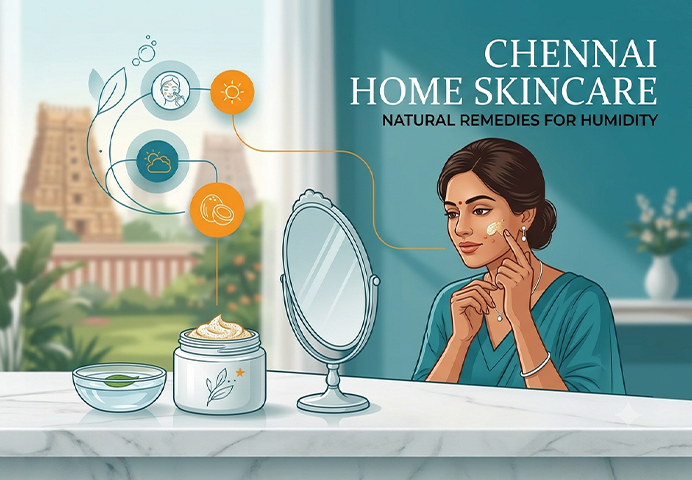
Most home remedies for pimples target individual spots rather than the root cause of breakouts. Understanding the difference matters.
Why Chennai Skin Breaks Out Differently
Now, we are not just saying this for the sake of saying it — your geography can actually influence skin as well. Chennai has a tropical climate with humidity hat rarely drops below 70 percent and temperatures between 28 C and 40 C for most of the year. Spoiler alert for pores: they supersize their sebaceous glands. Oil production goes up. The reason: Heat and humidity of the summer air can trap perspiration, sunscreen, and sebum on the skin — shoving them into your pores where they clog much more quickly than they do in dry climates.
Then there's pollution. While commuting, the micro chulestrol from traffic on Anna Salai, Rajiv Gandhi Salai and Old Mahabalipuram Road settles on your skin. It is not dramatic — it is merely constant. Daily. That fine layer of PM2. 5 oxidises your sebum, and oxidised sebum is inflammatory (this has been documented way back in 2010). So yes, there can still be white heads and black heads pop up on a clean eating eight hour night sleeping day.
Since the bulk of our patients in the Kilpauk branch have Fitzpatrick IV-IV skin — Indian skin types which are highly prone to post-inflammatory hyperpigmentation (PIH). Which means: even once the actual pimple goes away, that flat dark mark in its place can linger weeks or even months later. That is why, in this corner of the world, "let alone" advice often leaves so much to be desired. The stain outlasts the active pimple by ages.
Why this context matters is, it gives you the filter of selection while picking your remedies For example, something which dries a pimple out aggressively might work fine on European skin but will leave a dark scar in Indian skin. That is precisely the nuance that most home remedy guides will completely skip over.
The Home Remedies That Actually Have Evidence
Let's start here, with the honest ones.
1. Tea Tree Oil (Diluted)
This is the one home remedy that has the most consistent dermatology literature behind it. Tea tree oil is antimicrobial and has a relatively gentle anti-inflammatory effect. In a 2007 study from the Medical Journal of Australia, 5% tea tree oil gel was more effective than placebo at improving both non-inflammatory and total inflammatory acne lesions — but slower compared to benzoyl peroxide. Same findings were confirmed by a newer systematic review published in the Complementary Therapies in Medicine journal.
Key point: diluted means diluted. Often adderal skin-tea tree oil causes contact dermatitis on Indian because of the undiluted tea tree oil — redness, flaking sometimes chemical burns. Before spot application, mix 2–3 drops into 1 teaspoon of aloe vera gel or a fragrance-free moisturiser. Not on the whole face. Just the active pimple. Leave for 20 minutes, rinse.
We see patients at our acne scar treatment clinic who've been applying neat tea tree oil twice a day for months because a YouTube video told them to. The pimple might have cleared. But the hyperpigmented scar they're left with took longer to treat than the original acne.
2. Ice Compress
Cheap. Effective. No side effects, if done in the right way Placing 2 or 3 ice cubes in a clean piece of cloth and applying the icy compress to an angry pimple for up to 60–90 seconds works as it vasoconstricts dilated blood vessels, decreasing redness and swelling. This does not kill any bacteria nor unclogs anything — it simply calms the pimple down and reduces its visibility immediately.
Works well before an important day. Not a treatment. But it's honest about what it does, and it doesn't make anything worse, which is more than you can say for most remedies on this list.
3. Aloe Vera Gel (Fresh, Unfragranced)
Anti-inflammatory and wound-healing activities have been documented for aloe vera[5]. The active compound, acemannan induces modulation of inflammatory cytokines. As for mild acne and post-acne redness, pure aloe vera gel — from a real plant or from a product with no other than pure aloe vera as the first ingredient (and also with no added fragrance) — serves as an incredibly calming base layer. No it's not a moderate breakout by itself. Yet, when layered underneath sunscreen in the AM, it soothes redness and prevents your skin barrier from becoming overly compromised from actives during the PM.
What to skip: aloe vera products that are 80% water, phenoxyethanol and fragrance with aloe somewhere in the bottom half of the ingredient list. Read the label. A clear to pale yellow sticky gel with a slight grass odor. If it smells like roses, it's not going to perform the same as aloe vera.
4. Raw Honey as a Spot Treatment
Real honey — especially Manuka with a UMF of 10+ and above — has true antimicrobial activity. The high acidity prevents bacteria from growing and the hydrogen peroxide (from an enzyme called glucose oxidase) gives it some mildly antiseptic properties. The method outlined of dabbing a small amount of honey on top of a surface level pimple, putting a plaster over the honey overnight and washing it off in the morning is a valid way to accelerate healing on an isolated inflamed spot.
Results are inconsistent. Some patients see measurable decrease at 24 hours. Others see nothing. It is most effective on small, red, non-inflamed papules: small bumps still forming. It has a negligible effect on an already formed cyst. And on comedonal acne (blackheads, whiteheads), it's not great at all because the issue isn't surface bacteria; there's a mechanical blockage.
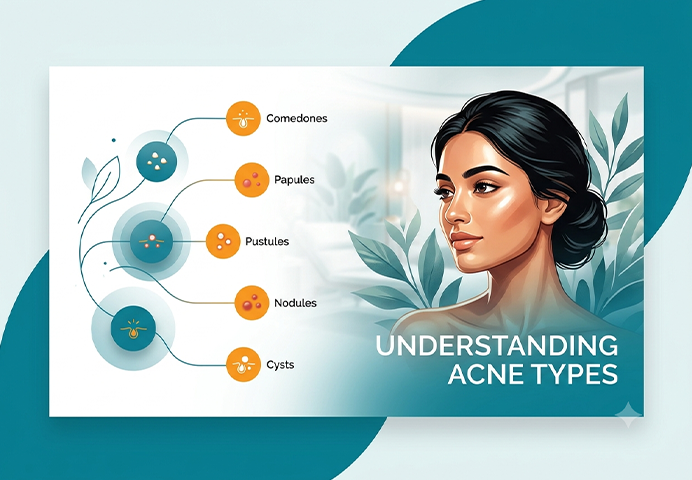
Different pimple types respond differently to home remedies. Comedones, papules, and pustules are more manageable at home; nodules and cysts need clinical intervention.
5. Neem Paste
An Indian that has been a part of Tamil households for generations, and there is. Azadirachta indica (Neem, 86 − 90) has been tested for both antibacterial and antifungal activity in vitro due to the presence of azadirachtin, nimbidin, and others. Several compounds derived from neem have been highlighted for further research by the Indian Council of Medical Research (ICMR) as topical antimicrobials.
Practically: Use fresh neem leaves in the form of paste and apply for 10 mins to 15 mins then rinse can help bacterial colonisation on surface. The downside is the active concentration varies — you have no way of knowing how much azadirachtin is in the leaves you're using and that paste won't go deep enough into the follicle, which is where the real issue lies.
People wonder what exactly we mean and why it matters, one thing we actually tell patients is: do not turn neem into a paste with citric acid of lemon juice as so many online recipes suggest. Lemon juice is very acidic and may break the skin barrier and some phototoxic reactions — especially in Chennai sun. Neem alone should be fine. Neem + lemon, no.
6. Salicylic Acid 2% Cleanser (OTC)
This is actually a product rather than a home remedy, but it occupies the "over-the-counter" space and deserves to be mentioned in this list. Salicylic acid is a beta-hydroxy acid (BHA), which has the ability to dissolve in oil, penetrate the walls of pores, and clear out keratin plugs that lead to both blackheads and whiteheads. It is a safe for daily use on all skin types at 2% or less, and it is clinically proven in mild to moderate acne.
A salicylic acid cleanser used once daily (in the evening) is likely the single most useful OTC addition appropriate for oily, acne-prone skin in Chennai's climate. It doesn't require a prescription. It's available at any pharmacy. And unlike a lot of home remedies, you know the concentration immediately upon application.
Pair it with our chemical peel treatments in-clinic for a more aggressive approach when OTC isn't keeping up with your skin.
Remedies That Are Usually Harmless but Don't Do Much
These show up constantly on beauty blogs. They're not dangerous for most people. But they're also not doing what their proponents claim.
Turmeric paste: Turmeric active compound, curcumin is shown to have anti-inflammatory properties under lab conditions. However, even the use of a raw turmeric paste does not achieve sufficient concentrations as curcumin cannot penetrate the skin in an effective manner because it is such a large molecule. It leaves an inky yellow stain on your skin for a day or two, which in a Tamil summer is its own issue. Recently few patients from our ECR Uthandi branch came to us very upset due to yellow patches on their jaw line because of the daily usage of turmeric paste. It didn't even make the acne go away. It merely added a layer of superficial clutter.
Cucumber slices: Refreshing, vaguely calming, and not a drop of acne-fighting chemistry in sight. Good as a de-puffing compress for the eyes. For pimples, no difference from just using cold water.
Baking soda: pH 8.3. Here's how it works: Your skin's natural pH is about 5. Baking soda removes the acid mantle, disrupts the skin microbiome and destroys the barrier — all things that create worse break outs over time. This one is more in the "should be shoot on sight" category than fine. It crops up enough in home remedy lists that we had to warn patients about it during consults explicitly.
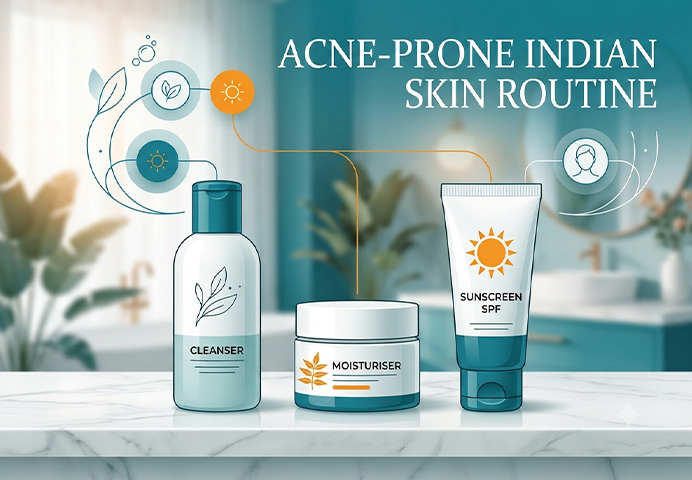
A consistent, simple routine often outperforms a cabinet full of remedies. The fewer products doing real work, the better.
Remedies That Are Actively Making Things Worse
This section is the one I wish more people read before spending three months worsening their skin.
Toothpaste on Pimples
Still happening. Still damaging skin. In modern time toothpaste contains sodium lauryl sulphate, fluoride (https://prepareforpain.org/does-fluoride-stain-your-teeth), flavouring agents, whitening compounds — None of which have any place on your face. The first version of this concept (from the 1980s) was derived from the presence of triclosan, a mild antimicrobial, in old formulas for toothpaste. Since then, triclosan has been taken out of most formulations. Recent toothpaste is nothing exists to cure acne. There is plenty of things in there that irritate the skin. Spot treating with toothpaste not only gets underneath the skin but also leaves a chemical burn ring around the pimple that takes longer to heal than the actual pimple.
Neat Lemon Juice
The logic is that 'it's acidic and it clears dark spots'. Both true, in theory. Yet undiluted lemon juice (pH 2.0–2.6) is far too acidic for facial use, destroys the acid mantle, and worse — is phototoxic. Psoralens in lemon juice reacts with DNA under ultraviolet light to produce brown spots on the skin. If you live in Chennai, where the UV index regularly pegs between 10–12 from March through June, rubbing lemon juice on your face is asking for post-inflammatory hyperpigmentation on a platter. We witness this quite regularly at both our for pigmentation at the skin roots laser and our melasma consultation.
Popping and Squeezing
Put very bluntly: every time you pop the pimple, your pushing the infective material/waste deeper into the dermis which converts a papule to cyst/nodule. You also insert finger germs into an inflamed follicle. And for Fitzpatrick IV–VI skin types, the trauma sets off melanocytes to churn out pigment, resulting in the dark flat scar that's frequently more distinctive than the pimple itself. It takes six months for the scar left by a poorly treated whitehead to fade. Don't.
Understanding What Type of Acne You Have
This is not the kind of nuance most home remedy guides bother with, but it's the most practically useful thing in this article. The right remedy depends entirely on the type of pimple.
| Type | Appearance | Cause | Home Remedy Potential |
|---|---|---|---|
| Blackheads (open comedones) | Small dark dots, mostly on nose and chin | Oxidised sebum in open pore | Moderate — salicylic acid helps |
| Whiteheads (closed comedones) | Tiny skin-coloured or white bumps | Sealed pore with keratin + sebum | Low-moderate — BHA cleansers, gentle exfoliation |
| Papules | Small, red, raised, tender | Inflammatory response to clogged pore | Moderate — ice, tea tree oil, neem |
| Pustules | Red base with white/yellow tip | Bacterial activity + pus formation | Low — honey, tea tree spot treatment; avoid squeezing |
| Nodules | Large, solid, deep, painful | Inflammation deep in follicle wall | Very low — need dermatologist assessment |
| Cysts | Large, soft, painful, under-skin | Severe deep infection | None — prescription or in-clinic treatment needed |
In all honesty, homemade treatments are effective only on comedones (non-inflamed pimples), papules and maybe small pustules. Nodules and above require something a little more prescriptive — whether that is topical prescription actives or in-clinic intervention. Using a home remedy on a cystic pimple for weeks not only will likely not work but also prevents treatment and causes an increase in inflammation of the deeper tissue.
The Role of Diet in Chennai Pimples
Patients ask this a lot. "Is it the food?" Sometimes, yes.
The connection between diet & acne is stronger than dermatology ever admitted. Well-controlled and data-rich, a landmark 2007 study, for example, that appeared in the American Journal of Clinical Nutrition: poor-glycaemic diet positively decreased acne lesion counts at week 12. The science is relatively straightforward — high-glycaemic foods increase insulin, which raises levels of insulin-like growth factor 1 (IGF-1) making them stimulate sebum and keratinocyte proliferation — the very thing that blocks the pores.
For the Chennai context, these are not inherently bad: sambar rice, idiyappam with full-fat coconut milk, maida-heavy accompaniments of biryani — but three times a day on top of a lifestyle that is already largely sedentary & heavily stressful and in an acne-prone skin type environment does not do wonders. Nor for the special weakness for extremely sweet chai and the fried snacks eaten in the evening which is a true local characteristic. I'm not saying this is a moral process — I'm just saying that the link is definitely there.
Dairy is more contested. High dairy consumption has been associated with acne in some studies (some theories involve whey protein, and casein affecting IGF-1 levels). Others don't. My verdict: if you host breakouts predominantly around your chin and jawline (the hormonal distribution area) and consume a lot of milk, reduce the dairy for six weeks and test it out. It isn't going to hurt anything and the data weakly supports the experiment.
Building a Simple Home Routine for Acne-Prone Chennai Skin
This is more useful than any single remedy. Consistency in a simple routine beats an elaborate multi-step protocol you abandon after ten days.
Morning
Step 1: Gentle foaming cleanser (look for niacinamide or salicylic acid 0.5–1%). Rinse with cool water. Pat dry — never rub.
Step 2: Lightweight, oil-free moisturiser with hyaluronic acid or glycerin. Skipping moisturiser because skin feels oily is a mistake — dehydrated skin overproduces oil to compensate.
Step 3: SPF 30–50 sunscreen. Non-negotiable in Chennai, not optional. Unprotected sun exposure triggers post-inflammatory pigmentation in every type of acne. Use a gel-based or fluid sunscreen, not the thick cream ones that feel suffocating in July.
Evening
Step 1: Double cleanse if you've worn sunscreen or spent time outdoors. An oil cleanser first (removes sunscreen and sebum), then a water-based cleanser.
Step 2: Salicylic acid 2% toner or niacinamide serum on active breakout areas. Not both at the same time — alternate nights if you're using both.
Step 3: Moisturiser. If prescribed, retinoid goes here on retinoid nights.
Step 4: Spot treat with diluted tea tree oil or salicylic acid gel on any active pimples only.
That's it. There are 6 steps for the entire day. It means no clay masks every alternate day, no sheet mask two times a week and not even a scrub once in seven days. Excessive treatment is a very real phenomenon, and nobody understands this better than the skincare-obsessed crowd in Chennai. A greater number of products does not equal a greater number of results — it equates to a greater number of opportunities for irritation, a greater likelihood of skin microbiome disruption, and ultimately, more reasons for your skin to fight back.
When Home Remedies Are Not Enough
This is the section I want every person reading to actually absorb.
Home care is a genuine first line of defence for mild, occasional breakouts. But there are specific situations where continuing to manage at home means delaying effective treatment — and in some cases, allowing scarring that is genuinely harder to reverse than the acne itself.
See a dermatologist if:
- You have nodular or cystic acne — deep, painful, under-skin lumps that don't come to a head
- You're leaving dark flat marks (PIH) after every pimple resolves, and they're not fading on their own within 4–6 weeks
- Your breakouts are concentrated on the chin and jawline and are linked to your cycle — this is typically hormonal acne that responds to spironolactone or oral contraceptives, not to salicylic acid
- You've been using OTC actives consistently for 8–12 weeks with no improvement
- You're developing scarring — textured, pitted, or raised marks where acne has resolved
- Breakouts are affecting your confidence, social life, or mental health — this is a real and legitimate reason to escalate treatment
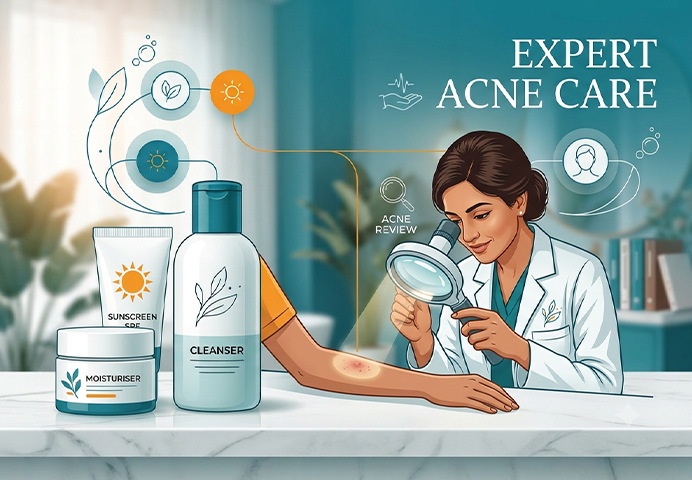
A single dermatology consultation can clarify months of trial and error with home remedies — and help you avoid scarring that's harder to treat than the acne itself.
How VK Allure Approaches Acne in Chennai
When patients come to us at VK Allure Dermaclinic Finally, after months of home sweating it out, the first thing we do is stop the guesswork. We evaluate acne grade (Grade I–IV on Global Acne Grading System), skin type (Fitzpatrick classification, barrier condition), dietary intake and stress whether past or current including the hormone history and topicals they are using at home.
An acne patient with mild to moderate severity without much scarring may require nothing more than an appropriate topical regimen using a combination of adapalene, a benzoyl 2.5%, and niacinamide moisturizer along with discussing sunscreen compliance! Actually, most patients are shocked that there is not even a hint of lasers or peels in the solution.
For patients with grade III or IV acne, or anyone presenting with established scarring, our approach combines:
- Chemical peels (glycolic acid, salicylic acid or Jessner's depending on skin tone and severity) — particularly effective for comedonal and inflammatory acne and for fading PIH
- Carbon laser facials to control oil production and reduce superficial scarring simultaneously
- Acne scar treatment protocols combining fractional Co2 laser, RF Microneedling, and/or dermal fillers for ice-pick and rolling scars
- Fractional CO2 laser for more established textural scarring
- Hormonal referral when indicated — we work alongside gynecologists and endocrinologists for PCOS-related and cycle-driven acne
We also regularly use skin PRP treatment as part of scar management for appropriate candidates — the growth factors support tissue remodelling in post-acne pitting, particularly in younger patients with good skin elasticity.
And for patients concerned about long-term pigmentation, melasma and dark spot reduction treatments are available at both our Kilpauk and ECR Uthandi clinics.
What we are not doing is forcing a treatment on to the patient if they don't need it. Our story is that if you're going to have clear skin just at home doing something every day, we tell you precisely what and set you up with the right products and ask you to come back eight weeks later.
Five Things People Get Wrong About Pimples in Chennai
These are the myths that delay effective treatment most often.
1. "I break out because I eat oily food." Dietary fat is not a direct cause of acne. We need to stop pretending that how much fat something has matters less than the glycaemic index of food. Plain white rice will give a blood sugar spike that is harder than even a handful of high-fat nuts. The idea that "oily food causes oily skin" is almost intuitive but biochemically wrong.
2. "I need to dry out my skin." Quite the opposite. Cleansing with high-powered cleansers or actives strips the skin barrier which makes it pump out oil in a bid to repair itself. Dehydrated skin, on the other hand, generates extra oil to self-protect. Moisturiser is a must even if your skin is prone to acne — it's actually part of the solution.
3. "I'll grow out of it." Adult acne — acne in your 30s and 40s — is a common result of aging, often hormonal. Chennai- Hormonal moneyjacket is pervasive among many women in Chennai with PCOS (Polycystic ovary syndrome) or perimenopausal hormonal shifts even decades previously their teenage years. It has no chance of getting better with the passage of time.
4. "Natural means safe." Lemon juice is natural. Neat essential oils are natural. Baking soda is natural. All of these should not be slathered on your face without that shine at the level of skin-chemistry. Natural is a marketing category, not a safety certification.
5. "The pimple is gone so my skin is fine." If you're leaving dark marks or textural changes after each breakout, you are running your skin at the limit of its damage-control abilities. The acne sheet mask is only the tip of the iceberg — scarring prevention will take place in between acne shots, not just during them.
A Note on Stress and Sleep
These two both sit in a pimple article of honesty. Stress hormones like cortisol directly increase the production of sebum. It also reduces skin barrier function. Long hours of stress work — sounds familiar in the IT corridor and corporate workforce of Chennai? — show up on your skin too. And this isn't a monologue; it's the biology of you.
Sleep deprivation works similarly. It's also during deeper stages of sleep when skin repair primarily occurs. On going 5–6 hour nights in your thirties will definitely wear out your skin quicker than most people think. Now, as much as getting 7–8 hours has to do with productivity, it is also about the skin and its ability to regulate inflammation and maintain barrier function.
These are lifestyle factors that no serum and no laser can fully compensate for. Worth acknowledging.
Final Thoughts
Homedelicates for pimples don't seem to be worthless — and they're no longer miracles. The truth lies somewhere in between. A thorough basic skincare routine that contains a few well-suited actives is sufficient enough for most Chennaiwalla, especially if the breakouts are mild and infrequent. Tea tree oil, salicylic acid, ice, Aloe –these are all things that actually work.
However, if you have been self-treating at home for three months and your skin is still not behaving or clearing up, if you're seeing dark spots forming on your cheeks and chin, trouble with pain and deep nodules — that's the time when a consult at VK Allure Dermaclinic will save you another three months of guesswork. We're at Kilpauk and ECR Uthandi, open seven days a week. The booking process is straightforward. And the first thing we do is listen to what you've tried before we suggest anything new.
Frequently Asked Questions
Medically Reviewed & Written By

Dr. Lokeshwari
Dermatology Specialist · VK Allure Dermaclinic, Chennai
- ✓ Certified Dermatology Specialist
- ✓ 7+ Years of Clinical Experience
- ✓ 5,000+ Patients Treated
- ✓ Aesthetic & Medical Dermatology
Dr. Lokeshwari is a Dermatology Specialist at VK Allure Dermaclinic, SCCA is comprised of highly experienced professionals in the areas of Advanced Skincare, Hair restoration treatments and Aesthetic Dermatology. Location: Kilpauk and ECR (Uthandi) branches in Chennai, known for an evidence-based approach to practice specifically for Indian skin type and Chennai climate. The writing you see on her page is about what will actually help — distinguishing facts from fiction when it comes to skin care.
This article on home remedies for pimples has been validated by Dr. Lokeshwari, who ensured that every recommendation is based on current evidence and clinical best practice for Indian skin types and the climatic conditions of Chennai.
Book a Consultation with Dr. Lokeshwari →📞 +91 96009-58060 · 💬 WhatsApp · 🏥 Kilpauk & ECR Uthandi, Chennai