

You had dengue in August or September. You recovered, went back to work, and then in November your hair started coming out in handfuls. This is one of the most common things we see after a fever season in Chennai. The good news first: in most people it is temporary and the hair grows back. This page explains why the shedding starts so late, which tests are worth doing, what actually helps, and the signs that mean something else is going on.
Last updated: 31 October 2026 · Medically reviewed by Dr. Lokeshwari · VK Allure Dermaclinic, Kilpauk, ECR-Uthandi & Ambattur, Chennai
A high fever pushes many growing hairs into the resting phase at the same time. Those hairs stay in the scalp for about two to three months and then fall out together. Doctors call this telogen effluvium. So the shedding you see now is a delayed effect of the illness, not a sign that something new has gone wrong.
See a doctor sooner if you notice round bald patches, an itchy or scaly scalp, eyebrow loss, or shedding that is still heavy after six months.
| Usual name | Telogen effluvium (temporary shedding) |
|---|---|
| When it starts | About 1 to 3 months after the fever |
| How it looks | Hair thins all over; more hair on the pillow, comb and bathroom floor |
| How long it lasts | Usually settles within about 6 months [CHECK] |
| Will it grow back? | Yes, in most people, unless another cause is also present |
No. Any illness with high fever can do it: typhoid, malaria, viral fevers, COVID. Hospital stays, sudden weight loss, surgery, childbirth and severe stress can trigger the same kind of shedding. Dengue just gets noticed more in Chennai because so many people get it together during the rainy months.
Most patients don't connect the two. The fever was weeks ago and they feel fine now. So when they come to us, the first thing we ask is "Were you unwell two or three months back?" Very often the answer is yes.
A 2023 case series of dengue patients found the shedding began between one and three months after the fever, about two months on average, and none of them went on to long-term hair loss. [ADD DOCTOR EXAMPLE: how many post-fever hair fall patients you are seeing at our clinics this season, and how soon they usually come in.]
Shedding after fever starts suddenly and the hair comes out from all over the scalp, often with a small white bulb at the root. Pattern hair loss is slow. It shows as a widening parting in women or a receding hairline and crown in men, and it doesn't come with a big shedding phase.
The two can overlap. A fever sometimes "unmasks" pattern thinning that was already starting, and the hair doesn't fully return to how it was. That's one reason to get checked if things aren't better by around six months.

Not everyone needs tests. If the timing fits a recent fever and the scalp looks healthy, we may simply wait and watch. When shedding is heavy, long, or you've also been tired or dieting, we usually check a blood count, iron stores (ferritin), thyroid and sometimes vitamin D or B12 [CHECK].
Low iron is common in women in India, and it can keep shedding going after the fever effect is over. Thyroid problems can look exactly like post-fever hair fall. Treating these makes a real difference. [ADD DOCTOR EXAMPLE: the exact tests you order at the first visit and when you repeat them.]
One practical tip. If you've been taking a biotin or "hair vitamin" tablet, tell us before any thyroid test. High-dose biotin can upset some lab results.
Time is the main treatment. Once the trigger is gone, new hair starts growing in the same follicles, and the shedding slows down on its own over a few months. Good food, enough protein, correcting any deficiency and a gentle scalp routine help the regrowth along.
After dengue, many people have lost weight and eaten very little for two weeks. Get back to regular meals with dal, eggs, fish, paneer or sprouts, plus greens and fruit. You don't need special diets.
Wash your hair as often as you like. Washing doesn't cause hair fall; it just collects the hairs that were already loose. During the Chennai rains, dry your hair properly and don't tie it up wet. Avoid tight buns, hot straighteners and new chemical treatments for a few months.
In some patients we add a topical lotion such as minoxidil to speed up regrowth, especially if pattern thinning is also present [CHECK]. That's a doctor's call after seeing your scalp, not something to start from a reel on Instagram.
Expensive hair-fall shampoos, oils that promise regrowth in 30 days, and multivitamins you don't need won't stop shedding that is already set to happen. They're not harmful in most cases. They just don't change the course, and the hair regrows on its own timeline either way.
The same goes for jumping straight to procedures. We don't usually advise PRP or GFC for simple post-fever shedding, because it tends to settle without them [CHECK]. We think about these only when shedding goes beyond six months or pattern thinning is found as well. You can read how those treatments compare in our hair transplant vs PRP vs GFC guide.
See us if the shedding is still heavy after about six months, if you can see your scalp through the hair, or if you notice bald patches, itching, flaking or eyebrow loss. Also come in if you aren't sure the fever is the reason, or if hair fall started with no illness at all.
At the visit we look at your scalp, do a gentle pull test and ask about the fever, diet and medicines. Many people leave reassured, with a short list of things to do and a review date. Women with long-lasting hair fall may find our guide to hair fall in women (PCOS, thyroid, iron) useful. For the wider picture, see our hair loss treatment in Chennai page.
Often both. Chennai's north-east monsoon brings damp scalps, dandruff and fungal infections, which can add breakage and itching on top of post-fever shedding. If your scalp itches or flakes, treat that too, because an inflamed scalp makes the hair fall feel worse.
Our monsoon hair fall and fungal infection guide covers the rainy-season side. If dandruff is the main problem, see dandruff treatment.
You can see our dermatologist at any VK Allure branch: Kilpauk, ECR Uthandi or Ambattur. Bring your dengue or fever reports if you have them, and a list of tablets and supplements you're taking. That helps us skip repeat tests you've already done.
Book at Kilpauk, ECR Uthandi or Ambattur, or read more about our dermatologist in Chennai. If your doctor suggests a scalp treatment later, here is how GFC hair treatment works.
Sources: Asghar F et al. Telogen Effluvium: A Review of the Literature, Cureus (2020); StatPearls (NCBI Bookshelf), Telogen Effluvium; Prim Care Companion CNS Disord (2023), Dengue-associated telogen effluvium case series.

Usually not. Shedding after a fever is temporary in most people, and the hair regrows from the same roots over the next several months. If it is still heavy after about six months, get checked for other causes.
Usually 1 to 3 months after the fever, often around the second month. That's why people who had dengue in August or September tend to notice it in October to December.
Most people see it slow down within 3 to 6 months [CHECK]. Visible regrowth, short new hairs along the hairline, often shows up a few months after that.
Yes. Any illness with high fever, and also surgery, childbirth, crash dieting or severe stress, can trigger the same delayed shedding.
Losing up to around 100 hairs a day can be normal. During post-fever shedding it can be more. Count less and look more at whether your parting or ponytail is clearly thinner.
Only if a test shows you need them. Most people without a deficiency won't see extra benefit. Tell your doctor before a thyroid test, as high-dose biotin can affect some results.
Usually not. Post-fever shedding mostly settles on its own. We consider PRP or GFC only when shedding lasts beyond six months or pattern thinning is also present [CHECK].
It isn't needed for regrowth. Some people prefer a shorter cut because thin ends look fuller and there's less hair on the floor, but it doesn't change how the roots behave.
Yes. Gentle oiling is fine if it suits your scalp, and regular washing doesn't increase hair fall. In the monsoon, wash off oil the same day and dry your hair well before tying it.
Not everyone needs them. If shedding is heavy or long, we often check a blood count, ferritin (iron), thyroid and sometimes vitamin D or B12 [CHECK]. Your doctor will decide after seeing your scalp.
Yes, it can happen at any age. In children it is usually milder and settles on its own, but see a doctor if you notice bald patches or scalp scaling.
If shedding lasts beyond about six months, if you see bald patches, itching or scaling, or if your parting is widening. Call or WhatsApp +91 96009 58060 to book at Kilpauk, ECR Uthandi or Ambattur.
Medically Reviewed By
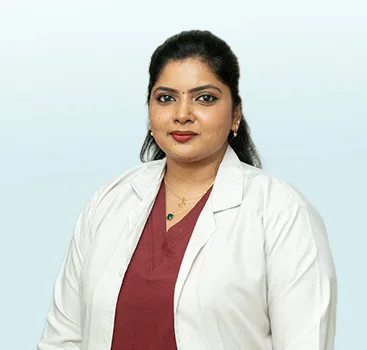
Dermatology Specialist · VK Allure Dermaclinic, Chennai
Dr. Lokeshwari is the lead dermatologist and medical reviewer at VK Allure Dermaclinic, practising at the Kilpauk, ECR-Uthandi and Ambattur branches in Chennai. She plans skin, hair and laser treatment for Indian skin types and Chennai's hot, humid climate.
This hair fall after fever guide was reviewed by Dr. Lokeshwari on 31 October 2026 for clinical accuracy, test advice and when-to-see-a-doctor guidance.
About Dr. Lokeshwari →📞 +91 96009-58060 · 💬 WhatsApp · 🏥 Kilpauk, ECR-Uthandi & Ambattur, Chennai
This hair fall after fever guide is written by our clinical team and medically reviewed by Dr. Lokeshwari, Dermatology Specialist and lead medical reviewer at VK Allure Dermaclinic. Last reviewed: . Read our editorial policy.
Medical disclaimer: This page is for general education and is not a substitute for a personal medical consultation. Results vary from person to person. Please consult our dermatologist before starting any procedure.