

Hair fall is one of the most common reasons women walk into our Chennai clinics. Many have already tried oils, shampoos and supplements, and are worried that something is wrong inside. Often there is a clear, treatable reason – PCOS, a thyroid problem, low iron, a recent fever or delivery, or hereditary thinning. This guide explains how to tell these causes apart, which blood tests are worth doing, and what treatment can realistically do.
Last updated: 26 October 2026 · Medically reviewed by Dr. Lokeshwari · VK Allure Dermaclinic, Kilpauk, ECR-Uthandi & Ambattur, Chennai
Most hair fall in women comes from one of two patterns: sudden shedding after a trigger such as fever, delivery, crash dieting or stress, or slow thinning at the parting from female pattern hair loss. Hormones (PCOS, thyroid), low iron and some medicines can cause or worsen both. A doctor can usually tell which one it is.
Losing around 50 to 100 hairs a day is normal. It becomes a concern when you see clumps in the shower, a widening parting, a thinner ponytail, or more scalp visible under bright light. Many women have more than one cause at the same time, which is why a single shampoo or supplement rarely fixes it.
| PCOS | Thinning at the crown or parting, often with acne, irregular periods or chin hair |
|---|---|
| Thyroid | Diffuse thinning all over, dry hair, tiredness, weight change |
| Low iron or B12 | Diffuse shedding, tiredness, heavy periods, vegetarian diet |
| After delivery or fever | Sudden heavy shedding 2 to 4 months after the event |
| Pattern hair loss | Slow widening of the central parting, family history |
In PCOS, the body often makes more androgens (male-type hormones). In women whose follicles are sensitive to them, androgens gradually shrink hair at the crown and parting. This is a slow thinning rather than sudden shedding, and it often comes with acne, irregular periods or extra facial hair.
The link is real but not universal. A 2025 meta-analysis found that roughly one in five women with PCOS had female pattern hair loss, and about one in three women with pattern hair loss had PCOS – though the authors rated the certainty of the evidence as very low (PMC12481967). A 2022 review also describes PCOS as one of the conditions to check in any woman with pattern thinning (PubMed 36226726).
Treating PCOS-related hair loss usually means working on both ends: your gynaecologist or physician manages the hormones, cycles and weight, while the dermatologist treats the scalp. Weight loss of even a few kilos can improve hormone balance in many women with PCOS – our doctor-led weight loss clinic can help if this is part of your plan. If PCOS also causes chin or upper-lip hair, see our page on facial hair reduction.
Yes. Both an underactive and an overactive thyroid can cause diffuse hair thinning across the whole scalp, and sometimes thinning of the outer eyebrows. The good news is that thyroid-related hair fall usually improves once thyroid levels are brought back to normal with treatment, although regrowth takes several months.
The American Academy of Dermatology lists hair thinning, dry hair and brittle nails among the skin and hair signs of thyroid disease (AAD). If you are already on thyroid tablets and still losing hair, ask whether your dose is right – and do not stop or change it on your own. Hair often takes 3 to 6 months to settle after levels become normal.
Low iron stores are common in Indian women, especially with heavy periods, pregnancy or a vegetarian diet, and doctors often check them in women with hair fall. Vitamin B12 and vitamin D are also commonly tested. Correct only what a test shows is low – taking random high-dose supplements does not regrow hair and can cause harm.
Ask your doctor about a ferritin test (iron stores), not just haemoglobin, because you can have normal haemoglobin and still have low iron stores. Protein intake also matters: crash diets and very low-calorie plans are a common trigger for shedding. Our guide to high-protein vegetarian foods may help if you follow a vegetarian diet.
This is usually telogen effluvium – a temporary shift of many hairs into the shedding phase. It starts about 2 to 4 months after a trigger such as childbirth, dengue or typhoid fever, surgery, crash dieting or severe stress. It looks alarming, but most women regrow their hair within 6 to 12 months once the trigger has passed.
Post-pregnancy shedding typically peaks around 3 to 4 months after delivery. It is worth checking iron and thyroid at this point, because both are often affected after pregnancy. If shedding continues beyond 6 months, or you notice the parting widening, there may be underlying pattern hair loss that the shedding has uncovered. In the rainy season, an itchy, flaky scalp can add to the problem – see our monsoon hair fall guide and anti-dandruff treatment page.
Female pattern hair loss is gradual thinning over the top of the scalp with a widening central parting, while the front hairline usually stays. It is the most common cause of long-term hair loss in women, often runs in families, and can start in the twenties or after menopause. Early treatment helps keep the hair you have.
According to the American Academy of Dermatology, other causes can look like pattern hair loss, so they should be ruled out first. That is why a scalp examination and blood tests come before any procedure.
Your doctor will choose tests based on your history, but common ones for women with hair fall are a complete blood count, ferritin (iron stores), thyroid tests (TSH), vitamin B12 and vitamin D. If PCOS is suspected, hormone tests and a pelvic ultrasound may be advised, usually with a gynaecologist.
A good hair assessment also includes a close look at the scalp (often with a dermatoscope), a gentle pull test, and questions about diet, periods, medicines, recent illness and family history. Bring any old reports and the names of products and tablets you have used.
Treatment starts with finding the cause. The doctor corrects any deficiency or hormone problem with your other doctors, treats scalp conditions such as dandruff, and then plans hair-specific care. This may include prescribed topical or oral medicines and, for suitable women with pattern thinning, in-clinic options like PRP, GFC or mesotherapy.
In-clinic procedures do not replace treating the cause. They work best for women whose follicles are still active. Some hair loss medicines are not safe in pregnancy or while trying to conceive, so always tell the doctor about your plans. Read more on our main hair loss treatment page.
Eat enough protein, avoid crash diets, wash your scalp regularly with a mild shampoo, dry it properly in humid weather, and avoid tight hairstyles and frequent heat styling. Do not start random supplements or hormone tablets on your own. These steps support treatment but cannot reverse PCOS, thyroid or pattern hair loss by themselves.
Oiling is fine if you like it, but keep it light and wash it off – heavy oil left overnight on a flaky scalp can worsen dandruff. Simple kitchen masks such as curd for hair can condition hair, but they do not treat the cause of hair fall.
See a dermatologist if hair fall lasts more than 3 months, your parting is widening, you notice bald patches, the scalp is itchy or painful, or hair fall comes with irregular periods, acne, chin hair or tiredness. Early assessment matters because pattern thinning is easier to slow down than to reverse.
You can see our doctors at any of the three VK Allure branches: Kilpauk, ECR Uthandi or Ambattur. Bring your recent blood reports if you have them. Message us on WhatsApp at +91 96009 58060 to book.
Sources: 2025 meta-analysis on female pattern hair loss and PCOS (PubMed Central); Review: female pattern hair loss and polycystic ovary syndrome, 2022 (PubMed); American Academy of Dermatology – Female pattern hair loss; American Academy of Dermatology – Thyroid disease: skin, hair and nail changes.

Often partly, if treated early. Controlling PCOS with your doctor and starting scalp treatment can slow thinning and help some hair regrow over 6 to 12 months. Follicles that have been shrinking for many years respond less, so earlier assessment gives better results.
In most women, yes. Once thyroid levels are back in the normal range, shedding usually settles and hair slowly regrows over 3 to 6 months or longer. If hair fall continues despite normal reports, another cause such as low iron or pattern thinning may be present.
Losing about 50 to 100 hairs a day is normal, and you may notice more on hair-wash days. It is worth getting checked if you see clumps, a widening parting, a thinner ponytail or bald patches.
Usually not. Post-pregnancy shedding typically starts 2 to 4 months after delivery and settles within 6 to 12 months. Check iron and thyroid levels, eat well, and see a doctor if it continues beyond six months or your parting is widening.
Commonly advised tests are a complete blood count, ferritin, thyroid (TSH), vitamin B12 and vitamin D. Hormone tests may be added if PCOS is suspected. Your doctor will choose tests based on your symptoms, so you do not need to do every test.
Yes. A major physical or emotional stress can push many hairs into the shedding phase, with hair fall starting 2 to 4 months later. This type of hair fall is usually temporary once the stress settles.
Oils can condition hair but do not treat the cause of hair fall. Supplements help only if you are actually deficient. Taking high doses without a test does not regrow hair, and some (like excess vitamin A or selenium) can even worsen hair fall.
PRP can help some women with early pattern thinning increase hair density, usually after 3 to 4 monthly sessions. It does not fix shedding caused by low iron or thyroid problems, so the cause is treated first. See our Hair PRP page.
Yes. Tight buns, braids and ponytails worn daily can pull on the hairline and cause traction hair loss. Looser styles and soft hair ties help. Long-standing traction loss can become permanent, so change styles early.
Some hair loss medicines are not safe during pregnancy or when trying to conceive. Always tell the doctor about your plans. Safer options can be chosen, and treatment can be adjusted during pregnancy and breastfeeding.
A dermatologist treats the scalp and hair, while a gynaecologist or endocrinologist manages PCOS hormones and periods. Many women benefit from both. Our dermatologist can assess your hair and refer you where needed.
Medically Reviewed By
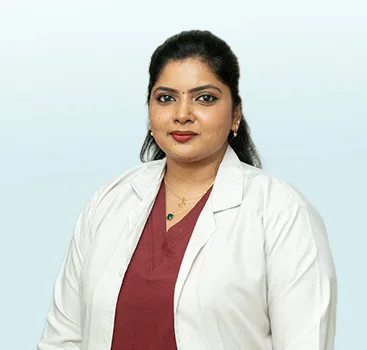
Dermatology Specialist · VK Allure Dermaclinic, Chennai
Dr. Lokeshwari is the lead dermatologist and medical reviewer at VK Allure Dermaclinic, practising at the Kilpauk, ECR-Uthandi and Ambattur branches in Chennai. She plans skin, hair and laser treatment for Indian skin types and Chennai's hot, humid climate.
This guide to hair fall in women was reviewed by Dr. Lokeshwari on 26 October 2026 for clinical accuracy, safety advice and when-to-see-a-doctor guidance.
About Dr. Lokeshwari →📞 +91 96009-58060 · 💬 WhatsApp · 🏥 Kilpauk, ECR-Uthandi & Ambattur, Chennai
This guide to hair fall in women is written by our clinical team and medically reviewed by Dr. Lokeshwari, Dermatology Specialist and lead medical reviewer at VK Allure Dermaclinic. Last reviewed: . Read our editorial policy.
Medical disclaimer: This page is for general education and is not a substitute for a personal medical consultation. Results vary from person to person. Please consult our dermatologist before starting any procedure.