

Men often put off seeing a skin doctor until a problem is hard to ignore – a receding hairline, painful beard bumps, acne that came back in their twenties, or a face that looks oily and tanned by noon. Chennai's heat, humidity and two-wheeler commutes make these problems more common. This guide covers the skin and hair issues we see most often in men at our Chennai clinics, what you can do at home, which treatments have good evidence, and when a dermatologist visit saves time and money spent on products that do not work.
Last updated: 27 October 2026 · Medically reviewed by Dr. Lokeshwari · VK Allure Dermaclinic, Kilpauk, ECR-Uthandi & Ambattur, Chennai
The most common are hair fall and male pattern baldness, dandruff, acne and acne scars, oily skin with open pores, tan and uneven tone around the eyes and beard line, razor and beard bumps, dark underarms or neck, and fungal infections in the groin. Most respond well to a simple routine plus doctor-guided treatment.
See a doctor soon if you notice patchy bald spots, sudden heavy hair fall, painful pus-filled lumps, a rash that keeps spreading, or a mole that is changing.
| Receding hairline | Early medical treatment; PRP or GFC as add-ons |
|---|---|
| Beard bumps | Change shaving method; treat infection; laser hair reduction for repeat cases |
| Acne and marks | Prescription creams or tablets; scar treatment once acne is controlled |
| Oily skin and pores | Gel cleanser, oil-free sunscreen; peels or carbon laser facial |
| Tan | Daily sunscreen; mild peels for stubborn tan |
Most hair loss in men is male pattern hair loss (androgenetic alopecia). It is inherited and driven by the hormone DHT, which slowly shrinks hair follicles at the temples and crown. Hair becomes thinner and shorter before it stops growing. It is gradual, and starting treatment early protects more hair than waiting.
The American Academy of Dermatology notes that hereditary hair loss is the most common cause of hair loss worldwide, but it is not the only one (AAD). Stress, fever, crash dieting, low iron or vitamin D, thyroid problems, dandruff and some supplements used for muscle building can also trigger shedding. A doctor separates these causes before suggesting treatment – that matters, because some of them simply need a blood test and correction.
For male pattern hair loss, the first step is usually doctor-prescribed medicine that slows the process, used regularly for months. In-clinic treatments such as PRP and GFC can add density for some men. Hair transplant is an option for advanced, stable baldness. The right mix depends on your stage, age and expectations.
A 2025 meta-analysis of randomised trials found that PRP improved hair density in androgenetic alopecia, though results vary between people and need repeat sessions (PRP meta-analysis, 2025). Our pages on hair loss treatment, PRP for hair and GFC hair treatment explain each option. If your hair fall came with dandruff or itching, read our anti-dandruff treatment page too.
Beard bumps happen when curly beard hair curls back into the skin after a close shave, causing red or dark itchy bumps and sometimes pus. Shave less closely, shave in the direction of hair growth with a sharp single blade or trimmer, avoid stretching the skin, and do not pick the bumps. Repeated bumps may need medicine or laser.
Adult acne in men is linked to oil production, genetics, sweat and friction from helmets and collars, heavy hair products, stress, and some whey or steroid supplements. It is common on the jawline, back and chest. Early treatment with the right prescription prevents dark marks and scars, which are harder to treat later.
The 2024 American Academy of Dermatology acne guideline strongly recommends treatments such as benzoyl peroxide, topical retinoids and, for some people, oral medicines, with isotretinoin reserved for severe or scarring acne under medical supervision (Reynolds et al., 2024). These need a doctor's plan – many men waste months on face washes alone. If acne has already left pits, see our acne scar treatment options.
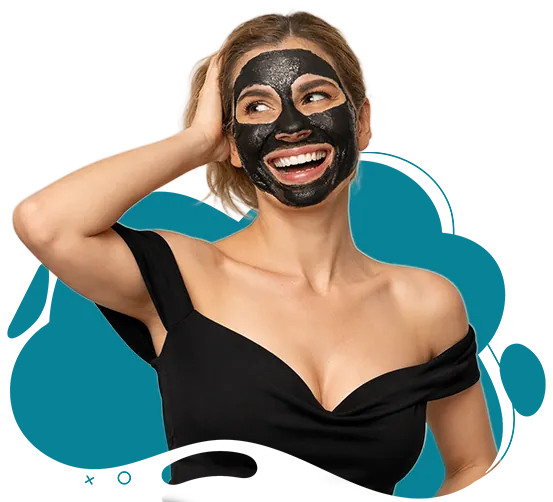
Wash twice a day with a gentle gel cleanser, use an oil-free moisturiser, and wear a light, non-greasy sunscreen. Avoid harsh scrubs and alcohol toners, which make skin produce more oil. For stubborn oiliness and enlarged pores, mild chemical peels, a carbon laser facial or medical facials can help, alongside a doctor-advised routine.
Pores cannot be "closed", but they can look smaller when oil and blackheads are controlled and the skin is firmer. Options include chemical peels, carbon laser facial and Hydrafacial for a deep clean before an event. Many men like these because there is little or no visible downtime.
Daily sunscreen is the most important step – men often skip it, and that is the main reason tan never fades. Apply SPF 30 or above to the face, neck and backs of the hands before riding, and reapply if outdoors for long. Stubborn tan and uneven tone may improve with mild peels or laser toning under a doctor.
Dark patches that do not fade may be melasma, marks after acne or darkening around the eyes. Our guide to the types of pigmentation explains how to tell them apart. Velvety dark skin on the neck or underarms can be linked to weight or blood sugar and is worth a medical check – see dark underarms treatment.
Keep it to three steps: a gentle cleanser morning and night, a light moisturiser, and sunscreen every morning. Add a prescription or doctor-advised active – for acne, pigmentation or ageing – at night only if needed. Simple routines that you actually follow work better than many products used occasionally.
The treatments men ask for most are hair fall care (PRP, GFC and medical treatment), acne and acne scar treatment, carbon laser facial and peels for oily skin and tan, laser hair reduction for beard-line shaping and back or chest hair, and body treatments for stubborn fat. All should start with a doctor's assessment.
For scars, the doctor may suggest CO2 laser or RF microneedling. For body concerns such as love handles or chest fat, see our body treatments in Chennai overview. These are not substitutes for diet and exercise, but can help shape areas that do not respond.
See a dermatologist if hair fall lasts more than three months or your hairline is clearly moving back, acne leaves marks or scars, beard bumps keep returning or have pus, a rash spreads or keeps coming back, or over-the-counter products have not helped in six to eight weeks. Early treatment is simpler, faster and usually cheaper.
VK Allure Dermaclinic sees men for skin, hair and laser concerns at Kilpauk, ECR Uthandi and Ambattur. Appointments are private and the doctor explains options without pressure. Bring a list of products and supplements you use, and recent blood test reports if you have them.
Book at your nearest branch: Kilpauk, ECR Uthandi or Ambattur. More guides are in our skin and hair blog. Exact cost depends on your skin assessment – book a free consultation.
Sources: American Academy of Dermatology – Hair loss: Who gets and causes; Reynolds RV et al. J Am Acad Dermatol 2024 – Guidelines of care for the management of acne vulgaris; 2025 meta-analysis of randomised trials – Platelet-rich plasma for androgenetic alopecia.

Yes. VK Allure Dermaclinic treats men for hair fall, acne, beard bumps, oily skin, tan and body concerns at Kilpauk, ECR Uthandi and Ambattur. Consultations are with the dermatologist, and treatment plans are designed for men's skin and hair. Call or WhatsApp +91 96009 58060 to book.
It depends on the cause. For male pattern hair loss, doctor-prescribed medicine used regularly is usually the base, with PRP or GFC as add-ons for some men and hair transplant for advanced baldness. Hair fall from stress, illness, low iron or thyroid problems needs the cause treated first.
It can often be slowed and, in early stages, partly reversed with regular treatment, but it is a lifelong tendency. Results depend on how early you start and how consistently you continue. Stopping treatment usually allows the thinning to resume over time.
Research shows PRP can improve hair density in androgenetic alopecia, but results vary and repeat sessions are needed. It works best for early to moderate thinning and alongside medical treatment. It does not grow hair on areas that are already completely bald.
Shave less closely, in the direction of hair growth, with a sharp blade or trimmer, and avoid stretching the skin. Use a gentle gel and a plain moisturiser afterwards. If bumps keep coming back or have pus, see a dermatologist; medicine or laser hair reduction may be needed.
Yes, when done by trained staff under a doctor, with settings suited to Indian skin. It is commonly used to shape the beard line and reduce hairs that cause repeated bumps on the neck. A patch test and proper sun protection reduce the risk of temporary darkening.
Adult acne in men is linked to oil production, genetics, sweat and friction from helmets or collars, hair products, stress and some gym supplements. It often appears on the jaw, back and chest. A dermatologist can prescribe creams or tablets that work far better than face washes alone.
Yes. Men in Chennai get a lot of sun on the face, neck and hands, especially while riding. Daily SPF 30 or higher prevents tan, uneven tone and early ageing, and helps any pigmentation treatment work. Choose a light gel or matte sunscreen if you have oily skin.
Medical facials such as a carbon laser facial, salicylic acid peel or Hydrafacial suit oily, congested skin because they clear pores with little downtime. The doctor chooses based on whether you also have acne, tan or sensitivity. Home care with a gel cleanser and oil-free sunscreen keeps results going.
Yes. Dark circles in men are often due to genetics, pigmentation, hollowness or lack of sleep, and tan is from daily sun exposure. Sunscreen and doctor-advised creams are the base; peels or laser toning may help stubborn cases. The doctor first finds the type before suggesting treatment.
The treatments are similar, but men usually have thicker, oilier skin, more facial hair and different hair loss patterns. Settings, products and routines are adjusted for this. Men also tend to prefer short routines and treatments with little visible downtime, which we plan for.
Hair grows slowly, so most medical and in-clinic hair treatments take about three to six months to show visible change, and the full effect is judged around a year. Reduced shedding is often noticed first. Taking photos every month helps you and your doctor track progress.
Medically Reviewed By
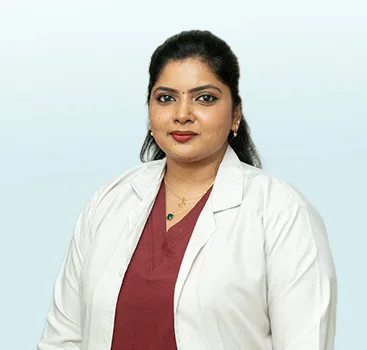
Dermatology Specialist · VK Allure Dermaclinic, Chennai
Dr. Lokeshwari is the lead dermatologist and medical reviewer at VK Allure Dermaclinic, practising at the Kilpauk, ECR-Uthandi and Ambattur branches in Chennai. She plans skin, hair and laser treatment for Indian skin types and Chennai's hot, humid climate.
This men's skin and hair guide was reviewed by Dr. Lokeshwari on 27 October 2026 for clinical accuracy, safety advice and when-to-see-a-doctor guidance.
About Dr. Lokeshwari →📞 +91 96009-58060 · 💬 WhatsApp · 🏥 Kilpauk, ECR-Uthandi & Ambattur, Chennai
This men's skin and hair guide is written by our clinical team and medically reviewed by Dr. Lokeshwari, Dermatology Specialist and lead medical reviewer at VK Allure Dermaclinic. Last reviewed: . Read our editorial policy.
Medical disclaimer: This page is for general education and is not a substitute for a personal medical consultation. Results vary from person to person. Please consult our dermatologist before starting any procedure.