

Pimples are the single most common reason people walk into our clinics. School students before exams, office-goers with jawline breakouts, women whose acne flares before every period. In Chennai the heat, sweat and helmet or mask friction make it worse for many. The good part is that almost all acne can be controlled with the right medicines and some patience. This page explains how we treat it, how long it takes, and what you can do at home.
Last updated: 31 October 2026 · Medically reviewed by Dr. Lokeshwari · VK Allure Dermaclinic, Kilpauk, ECR-Uthandi & Ambattur, Chennai
We first work out the type and grade of your acne: blackheads and whiteheads, red pimples, or deep painful lumps. Mild acne usually needs only prescription creams and a simple routine. Moderate acne often needs a short course of tablets too. Severe or scarring acne needs stronger medicine early, so it doesn't leave marks.
See a doctor soon if pimples are painful and deep, are leaving dents or dark marks, started suddenly in adult life, or came with irregular periods or facial hair.
| First visit | Skin check, history of creams and tablets tried, sometimes hormone tests |
|---|---|
| Main treatment | Prescription creams, oral medicines if needed, simple home routine |
| Clinic add-ons | Chemical peels, extractions, carbon laser (only when useful) |
| When it improves | Usually visible change in 6 to 12 weeks |
| After that | A maintenance routine to stop new breakouts |
Most people have a mix. Blackheads and whiteheads are blocked pores. Red, tender pimples and pus spots are inflamed acne. Large, deep, painful lumps under the skin are nodules or cysts, and these are the ones most likely to scar. The type decides the treatment, which is why the same face wash doesn't work for everyone.
Common creams include adapalene or other retinoids, benzoyl peroxide and azelaic acid, sometimes with an antibiotic gel. For moderate acne we may add an oral antibiotic for a limited time. For severe or stubborn acne, isotretinoin is an option under close doctor supervision. In women with hormonal acne, hormone-based tablets can help [CHECK].
We keep antibiotics short and always pair them with benzoyl peroxide or a retinoid, so the bacteria don't become resistant. Using an antibiotic cream alone for months is one of the most common mistakes we see.
Isotretinoin needs proper monitoring. Women must not get pregnant while on it, and we check blood tests during the course [CHECK]. It isn't for everyone, but for the right person it can change things a lot.
[ADD DOCTOR EXAMPLE: the creams and tablets you most often start with, and how you decide when isotretinoin is needed.]
Not always. Medicines do most of the work. In-clinic treatments are add-ons that can speed things up: a salicylic acid peel for oily skin and blackheads, gentle extraction of whiteheads, or a carbon laser facial for oily, congested skin. They don't replace your daily creams, and on their own the acne usually comes back.
We usually space peels a few weeks apart and avoid them when skin is very irritated. If you already have dark marks or dents, see our acne scar treatment page, because scars need a different plan. You can read more on chemical peels and the carbon laser facial.

Usually 6 to 12 weeks before you see a clear difference. The first two or three weeks can feel slow, and retinoid creams may cause some dryness or a small flare at the start. Most people need 3 to 4 months to get acne under good control, then a lighter routine to keep it that way.
This is the part where many people give up. They try a cream for ten days, see no change, and switch to something else. Honestly, that cycle is what keeps acne going for years. Give a plan at least two months before judging it, unless it's making your skin very red or sore.
Bring them in if the acne is painful, leaving marks, affecting their confidence, or not better after two to three months of a simple routine. Starting early prevents scars. Treatment for teens usually takes about 6 to 12 weeks to show results and needs a parent's help to stay regular.
For girls, irregular periods, weight gain or extra facial hair along with acne can point to PCOS, and we may suggest tests. We have a separate, detailed guide on acne treatment for teenagers.
Adult acne is common, especially in women. It tends to sit on the jawline, chin and neck, and often flares before periods. Hormones, stress, heavy or oily cosmetics, hair oil on the forehead and some medicines can all play a part. In some women it is linked to PCOS.
Men get adult acne too, often on the back and chest. Gym supplements with whey or steroids can trigger breakouts [CHECK]. Tell us everything you're taking, including protein powders. Men can also read our men's skin and hair guide.
Fungal acne looks like many small, itchy, same-sized bumps on the forehead, chest and back. It's common in Chennai's humidity and gets worse with sweat. It doesn't respond to usual acne creams and needs antifungal treatment instead, so getting the diagnosis right saves you months of the wrong medicine.
If your "pimples" itch more than they hurt and flare in the monsoon, mention it at the visit. Our monsoon skin guide explains more.
Food is a smaller factor than most people think. Oily food doesn't directly cause pimples. Some studies link high-sugar foods and large amounts of milk or whey protein to worse acne in some people [CHECK]. It's worth noticing your own pattern, but strict diets alone rarely clear acne.
What matters more: don't pick or squeeze, wash your face twice a day (not ten times), change pillow covers often, and keep hair oil off the forehead. The AAD's list of habits that worsen acne is a good reminder.
Keep it simple. A gentle face wash twice a day, your prescribed cream at night, a light oil-free moisturiser, and sunscreen every morning. Use gel-based, non-comedogenic products in Chennai's heat. Avoid scrubs, toothpaste, lemon and steaming, as these irritate the skin and can leave more dark marks.
Sunscreen matters even more if you have acne. The marks that pimples leave on Indian skin darken quickly in the sun. Home remedies can help a little for mild spots; we've written about which ones are safe in our home remedies for pimples guide.
Acne treatment works slowly or poorly when it isn't used every day, when it's stopped too early, or when a hidden cause isn't treated, such as PCOS, a steroid cream, or a supplement. Existing dents and scars won't go with acne medicines alone. Those need separate scar procedures once the acne is controlled.
We'll be upfront if your expectations don't match what's possible. Acne can be controlled; it doesn't usually disappear forever, and a few spots before periods or in exam season can still happen.
You can see our dermatologist at any VK Allure branch: Kilpauk, ECR Uthandi or Ambattur. Bring the creams, face washes and tablets you've already tried, or photos of them. It helps us avoid repeating something that didn't work for you.
Book at Kilpauk, ECR Uthandi or Ambattur, or read about our dermatologist in Chennai. Exact cost depends on your skin assessment – book a free consultation.
Sources: Reynolds RV et al. Guidelines of care for the management of acne vulgaris, J Am Acad Dermatol (2024); InformedHealth.org (NCBI Bookshelf), Acne: Overview; American Academy of Dermatology, 10 skin care habits that can worsen acne.

Usually 6 to 12 weeks for a clear change. Most people need 3 to 4 months to get acne well controlled, then a lighter maintenance routine.
Acne can be controlled very well, but it isn't usually cured forever. Many people stay clear with a simple maintenance routine, and acne often settles with age.
There's no single best cream. Retinoids like adapalene, benzoyl peroxide and azelaic acid are common choices. The doctor picks based on your acne type and skin sensitivity.
Yes, for a limited time and under a doctor. We keep courses short and always combine them with benzoyl peroxide or a retinoid to avoid resistance.
It is safe for the right person with proper monitoring. It needs regular follow-ups, sometimes blood tests, and women must avoid pregnancy during the course [CHECK].
They can help as an add-on, especially for oily skin and blackheads. Peels work best with daily prescribed creams, not instead of them.
Sometimes. Acne on the jawline with irregular periods, weight gain or extra facial hair can point to PCOS. We may suggest tests and treat both together.
In some people, high-sugar foods and large amounts of milk or whey protein may worsen acne [CHECK]. Diet changes alone rarely clear it.
Please don't. Squeezing pushes the infection deeper and leaves dark marks or scars that last much longer than the pimple.
They can make it worse. Sweat, helmets, masks and heavy creams block pores. Wash after heavy sweating and use light gel products.
Any age, if acne is painful, leaving marks or not improving after two to three months. Early treatment prevents scars.
If pimples are deep or painful, leaving marks, getting worse despite care, or started suddenly as an adult. Call or WhatsApp +91 96009 58060 to book at Kilpauk, ECR Uthandi or Ambattur.
Medically Reviewed By
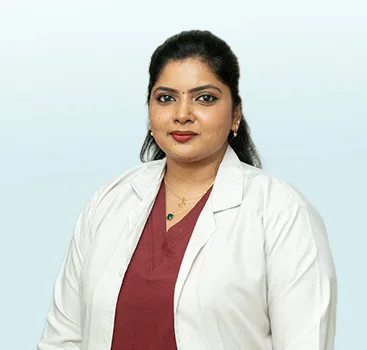
Dermatology Specialist · VK Allure Dermaclinic, Chennai
Dr. Lokeshwari is the lead dermatologist and medical reviewer at VK Allure Dermaclinic, practising at the Kilpauk, ECR-Uthandi and Ambattur branches in Chennai. She plans skin, hair and laser treatment for Indian skin types and Chennai's hot, humid climate.
This acne treatment page was reviewed by Dr. Lokeshwari on 31 October 2026 for clinical accuracy, medicine safety and when-to-see-a-doctor guidance.
About Dr. Lokeshwari →📞 +91 96009-58060 · 💬 WhatsApp · 🏥 Kilpauk, ECR-Uthandi & Ambattur, Chennai
This Acne Treatment information is written by our clinical team and medically reviewed by Dr. Lokeshwari, Dermatology Specialist and lead medical reviewer at VK Allure Dermaclinic. Last reviewed: . Read our editorial policy.
Medical disclaimer: This page is for general education and is not a substitute for a personal medical consultation. Results vary from person to person. Please consult our dermatologist before starting any procedure.