

Almost every teenager gets some pimples. For many it is a few spots before exams; for others it is painful, widespread acne that affects confidence, sleep and even school life. As parents, it is hard to know when to wait it out and when to see a doctor. In our Chennai clinics we see teenagers who have tried many face washes, home remedies and creams from the medical shop before their first visit – often with marks or early scars already forming. This guide explains why teenage acne happens, what helps, which treatments are safe for teens, and when a dermatologist visit is worth it.
Last updated: 27 October 2026 · Medically reviewed by Dr. Lokeshwari · VK Allure Dermaclinic, Kilpauk, ECR-Uthandi & Ambattur, Chennai
At puberty, rising hormones make the skin's oil glands bigger and more active. Extra oil and dead skin block the pores, and acne bacteria grow inside them, causing blackheads, whiteheads, red pimples and sometimes deep, painful lumps. Genes play a big role – if parents had acne, children are more likely to get it too.
Book a dermatologist visit if your teen has painful lumps or cysts, acne leaving marks or pits, acne that is affecting mood or confidence, or no improvement after 6–8 weeks of simple care.
| Mild | Mostly blackheads, whiteheads and a few pimples; simple routine plus an over-the-counter or prescribed gel |
|---|---|
| Moderate | Many red pimples on face, chest or back; prescription creams, sometimes a short course of tablets |
| Severe | Deep, painful lumps and cysts, or scarring; early dermatologist care and stronger medicine |
| Marks left behind | Dark spots fade with sunscreen and time; pits need scar treatment later |
Acne often begins between 10 and 13 years, sometimes earlier in girls, and is usually worst in the mid-teens. For many people it settles by the early twenties, but some continue to get acne into their twenties and thirties, especially women. Waiting for it to "go away on its own" risks marks and scars.
The InformedHealth.org overview notes that most teenagers get some acne and that it usually improves around the age of 20 (NCBI InformedHealth). The problem is not whether it will settle eventually – it is what it leaves behind. Treating early protects the skin and the teenager's confidence.
For most teenagers, the best start is a simple routine plus a medicated cream or gel, such as benzoyl peroxide, a topical retinoid like adapalene, or a combination prescribed by a doctor. Moderate to severe acne may need a short course of antibiotic tablets alongside creams. Severe or scarring acne may need stronger treatment under close supervision.
These choices follow the 2024 American Academy of Dermatology acne guideline, which covers patients from age 9 and strongly recommends benzoyl peroxide, topical retinoids and, for suitable patients, oral doxycycline and isotretinoin – while limiting how long antibiotics are used (Reynolds et al., 2024). The exact plan depends on your teen's skin type, acne grade and any other health conditions, so a doctor should decide strength and duration.
Keep it short and gentle: wash the face twice a day with a mild cleanser, apply the acne cream as advised, use an oil-free moisturiser, and wear a non-greasy sunscreen in the morning. Do not scrub, pick or squeeze pimples, and avoid heavy hair oils near the forehead. Results take six to eight weeks.
The American Academy of Dermatology lists habits that make acne worse, including scrubbing, popping pimples and trying a new product every week (AAD skin care tips).
Food is not the main cause of acne, but for some teenagers a diet high in sugar, refined snacks and dairy can make breakouts worse. Rather than banning foods, aim for regular meals with vegetables, fruits, pulses and enough water, and notice whether particular foods seem to trigger flares. Hormones and genes matter more.
Whey protein shakes and some gym supplements can trigger acne in teenage boys – mention these to the doctor. For healthy protein ideas without supplements, see our guide to high-protein vegetarian foods.
Some are harmless, but many popular remedies – toothpaste, lemon juice, raw garlic, baking soda, strong scrubs – irritate young skin and cause burns or dark marks. Aloe vera gel and gentle care are usually safe. Avoid creams from the medical shop that contain steroids; they can cause more acne and long-term skin damage.
Our article on home remedies for pimples explains which ones are safe to try and which to avoid. If home care has not helped in six to eight weeks, it is time for a doctor.
Isotretinoin is a strong, effective medicine for severe, scarring or stubborn acne, and it can be used in teenagers under careful supervision. It needs regular check-ups and sometimes blood tests, and it must never be taken in pregnancy. It is a doctor-only medicine – never buy it without a prescription or take a friend's course.
Parents often worry about side effects such as dry lips, dry skin, nosebleeds and mood changes. The doctor explains these, adjusts the dose and asks you to report any change in mood or behaviour straight away. For many teenagers with severe acne, a supervised course prevents years of scarring.
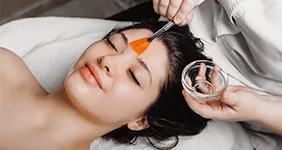
Yes, in selected cases. Mild salicylic acid peels can help teenagers with blackheads, oily skin and active acne, once a home routine is in place. Laser and microneedling are mainly used for scars after acne has settled, usually in older teens and adults. These are add-ons, not replacements for medical treatment.
Learn more about chemical peels and, for dark marks left after pimples, dark spot reduction. For deeper scars, options such as acne scar treatment, CO2 laser for acne scars or RF microneedling are discussed once acne is under control.
Acne can make teenagers feel self-conscious, avoid photos, sports or social events, and in some cases feel low or anxious. This is real and worth taking seriously, even when the acne looks "mild" to adults. Effective treatment often improves mood and confidence as much as the skin itself.
Listen without judging, avoid blaming food or hygiene, and let your teen be part of the decision about treatment. If you notice ongoing sadness, withdrawal or talk of self-harm, speak to your family doctor or a counsellor as well as the dermatologist.
See a dermatologist if acne is painful, deep or cystic; if it is leaving dark marks or pits; if it covers the chest and back; if over-the-counter care has not helped in six to eight weeks; or if acne is upsetting your child. Girls with irregular periods, excess facial hair and acne should also be checked for hormonal causes like PCOS.
VK Allure Dermaclinic treats teenage acne at Kilpauk, ECR Uthandi and Ambattur. A parent or guardian should come along for the first visit for teens under 18. The dermatologist grades the acne, explains the plan in simple steps, and schedules follow-ups to adjust treatment as the skin improves.
Book at your nearest branch: Kilpauk, ECR Uthandi or Ambattur. More skin guides are in our skin and hair blog. Exact cost depends on your skin assessment – book a free consultation.
Sources: Reynolds RV et al. J Am Acad Dermatol 2024 – Guidelines of care for the management of acne vulgaris; American Academy of Dermatology – 10 skin care habits that can worsen acne; InformedHealth.org (NCBI Bookshelf) – Acne: Overview.

Most young teenagers do well with a gentle cleanser, a medicated gel such as benzoyl peroxide or a retinoid like adapalene, an oil-free moisturiser and sunscreen. Moderate or severe acne may need a doctor's prescription, sometimes including a short course of tablets. A dermatologist decides the strength and length of treatment.
Most acne treatments take six to eight weeks to show clear improvement, and up to three months for the full effect. Acne can look slightly worse in the first couple of weeks with some creams. Continue as advised and keep follow-up visits so the doctor can adjust the plan.
Mild acne may settle with simple care, but waiting for moderate or severe acne to go away risks dark marks and permanent-looking scars. Early treatment is simpler and protects the skin. If home care has not helped in six to eight weeks, see a dermatologist.
Yes. Benzoyl peroxide is one of the most recommended acne treatments for teens. Start with a low strength, apply a thin layer once a day and use a moisturiser to reduce dryness. It can bleach towels and pillowcases, so use white ones. Stop and see a doctor if there is severe irritation.
Yes, retinoid creams such as adapalene are commonly used for teenage acne. They unblock pores and prevent new pimples. They can cause dryness and peeling at first, so use a pea-sized amount at night, start every other night, and always wear sunscreen in the day.
Antibiotic tablets such as doxycycline can cause stomach upset or sun sensitivity, and long courses can lead to resistance. Dermatologists use them for a limited time and always together with a cream like benzoyl peroxide. Take them with water and food as advised, and do not lie down right after.
Isotretinoin is very effective for severe or scarring acne and can be used in teenagers under careful medical supervision. It needs regular check-ups, and it must not be taken in pregnancy. Report any mood changes immediately. It should never be taken without a dermatologist's prescription.
Food is not the main cause, but high-sugar foods, refined snacks and dairy can worsen acne in some teenagers. A balanced diet with vegetables, fruit, pulses and water is helpful. Some gym supplements like whey protein can also trigger acne, so mention them to the doctor.
Flat dark marks usually fade over three to twelve months with daily sunscreen and by stopping picking. Prescription creams and mild peels can speed this up. Deep pits or raised scars need in-clinic scar treatment, which is usually planned once active acne is under control.
Yes, mild salicylic acid peels may be suitable for some teenagers with oily, acne-prone skin, once a home routine is in place. They are done by a doctor or trained staff at low strength. Peels are an add-on to medical treatment, not a replacement.
Not usually, but acne along with irregular periods, excess facial or body hair, or weight changes can point to PCOS or another hormonal issue. In that case the dermatologist may suggest tests and work with a gynaecologist, because treating the hormones helps the skin.
VK Allure Dermaclinic treats teenage acne at Kilpauk, ECR Uthandi and Ambattur. A parent or guardian should attend the first visit for under-18s. Call or WhatsApp +91 96009 58060 to book. Exact cost depends on your skin assessment – book a free consultation.
Medically Reviewed By
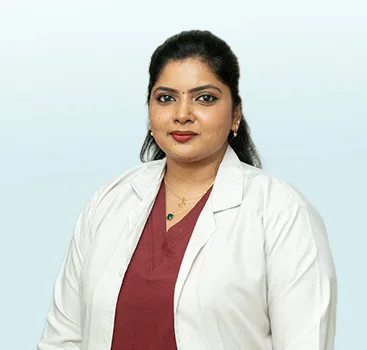
Dermatology Specialist · VK Allure Dermaclinic, Chennai
Dr. Lokeshwari is the lead dermatologist and medical reviewer at VK Allure Dermaclinic, practising at the Kilpauk, ECR-Uthandi and Ambattur branches in Chennai. She plans skin, hair and laser treatment for Indian skin types and Chennai's hot, humid climate.
This teenage acne guide was reviewed by Dr. Lokeshwari on 27 October 2026 for clinical accuracy, safety advice and when-to-see-a-doctor guidance.
About Dr. Lokeshwari →📞 +91 96009-58060 · 💬 WhatsApp · 🏥 Kilpauk, ECR-Uthandi & Ambattur, Chennai
This teenage acne guide is written by our clinical team and medically reviewed by Dr. Lokeshwari, Dermatology Specialist and lead medical reviewer at VK Allure Dermaclinic. Last reviewed: . Read our editorial policy.
Medical disclaimer: This page is for general education and is not a substitute for a personal medical consultation. Results vary from person to person. Please consult our dermatologist before starting any procedure.